Final Year Project
Project Brief
The Artground, an arts-based organization dedicated to developing play-driven, immersive, and accessible experiences for young children, is the customer. Their main goal is to provide a creative and immersive play environment that fosters the development of children's creativity and curiosity. Children between the ages of four and six are the production's designated target audience. Our biggest challenge was that, even while we could be as imaginative and grandiose as we wanted, we still had to make sure that the designs would accurately convey the meaning and purpose of the story. More significantly, we had to make sure that every set and prop design we created could fit within a bag without sacrificing its utility or quality.
My Contributions - Structure Innovation
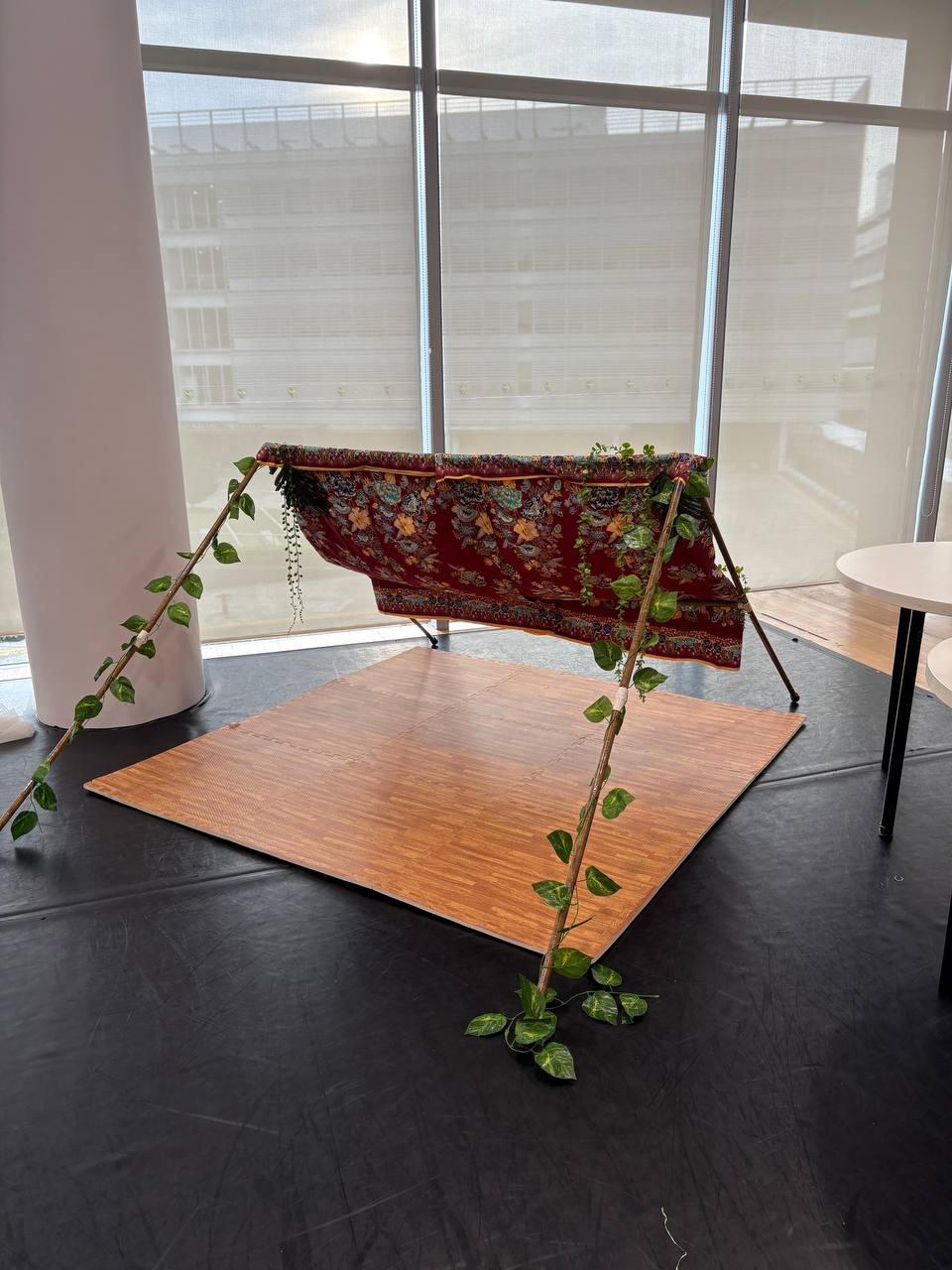
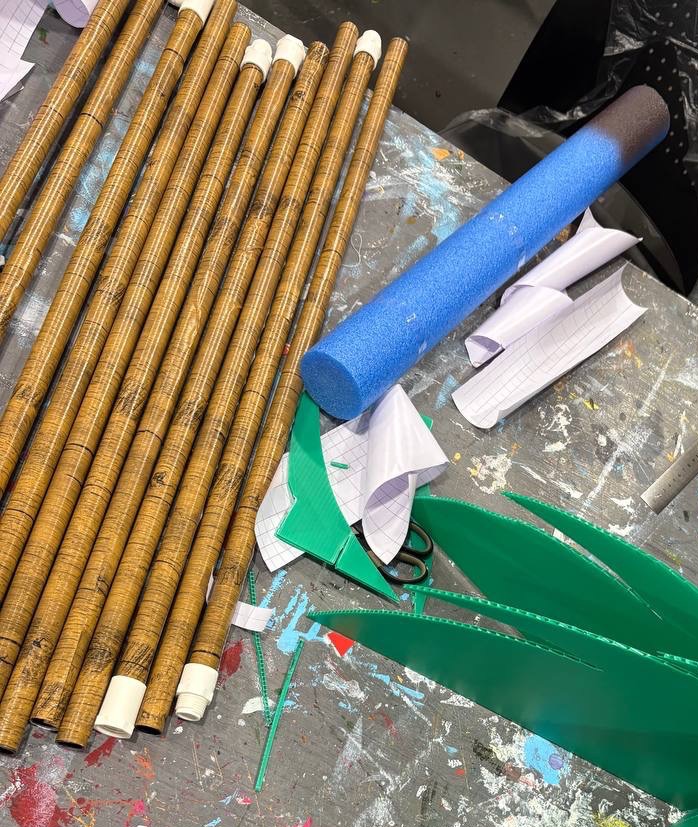
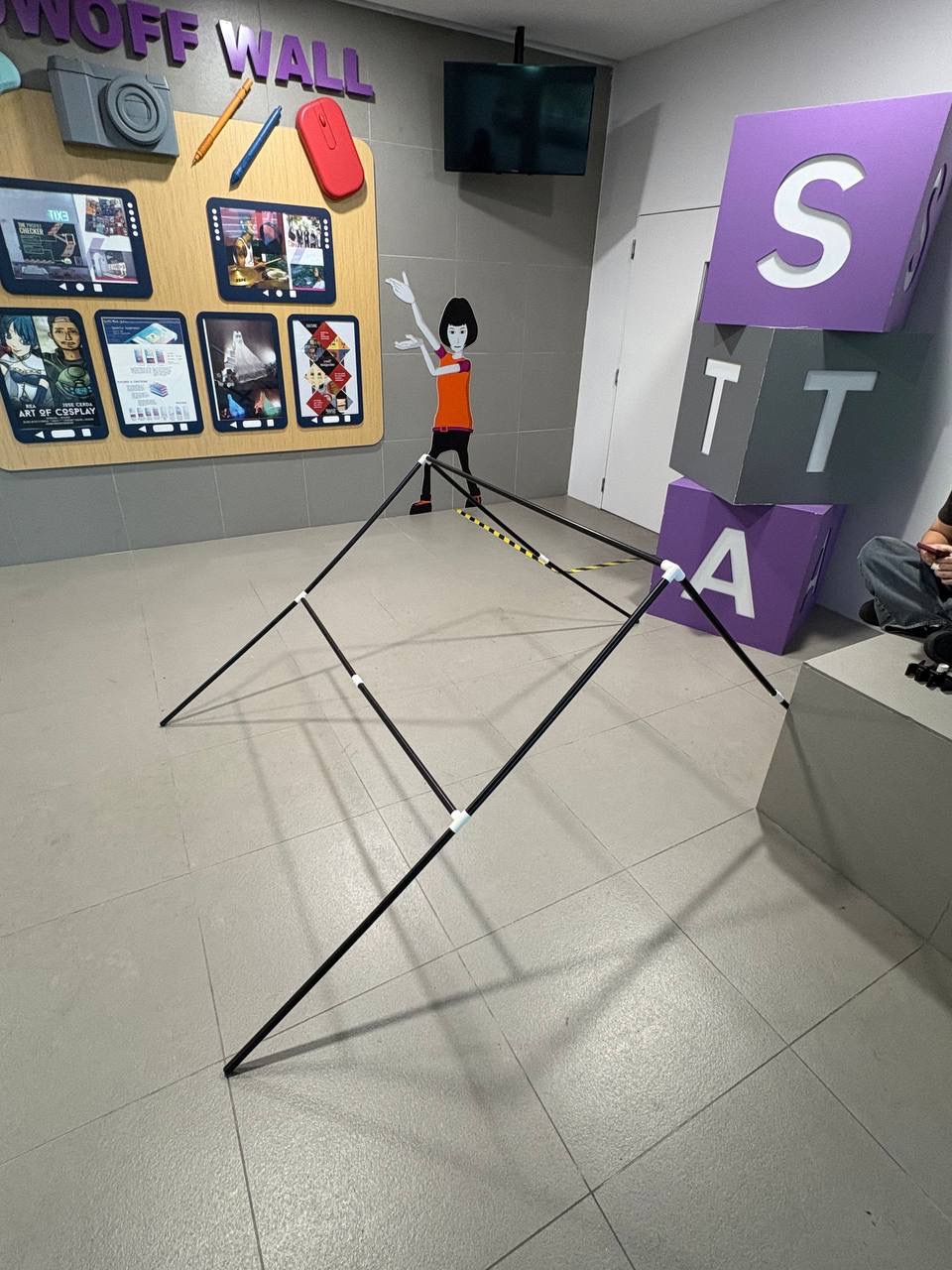
I Had transformed the set from a simple floor with blue tarp into an immersive, three-dimension structure by designing and constructing a portable pondok. Taking into account of the project’s need for portability, I had constructed a framework using PVC pipes with a male-to-female connectors. This allowed me the structute to be dissembled and shortened for easy transportation in a suitcase. This contribution was successful as it provided a high-quality visual “shelter” for the batik-making activity while also making it easy for small crew to manage.
My Contributions - Aesthetic Detailing
To ensure the pondok to look authentic to their original look, I suggested to cover the PVC pipes to be covered in wood-grain vinyl floor stickers. This detail had made a significant improvement on the overall look as it had concealed the plastic material and had aid in making the structure made out of wood. By utilising vinyl sticker over painting or covering it in twines, I saved time for set-up and provided a more durable, water-resistant finish that can withstand wear and tear from travelling venue to venue.
My Contributions - Audience Engagement
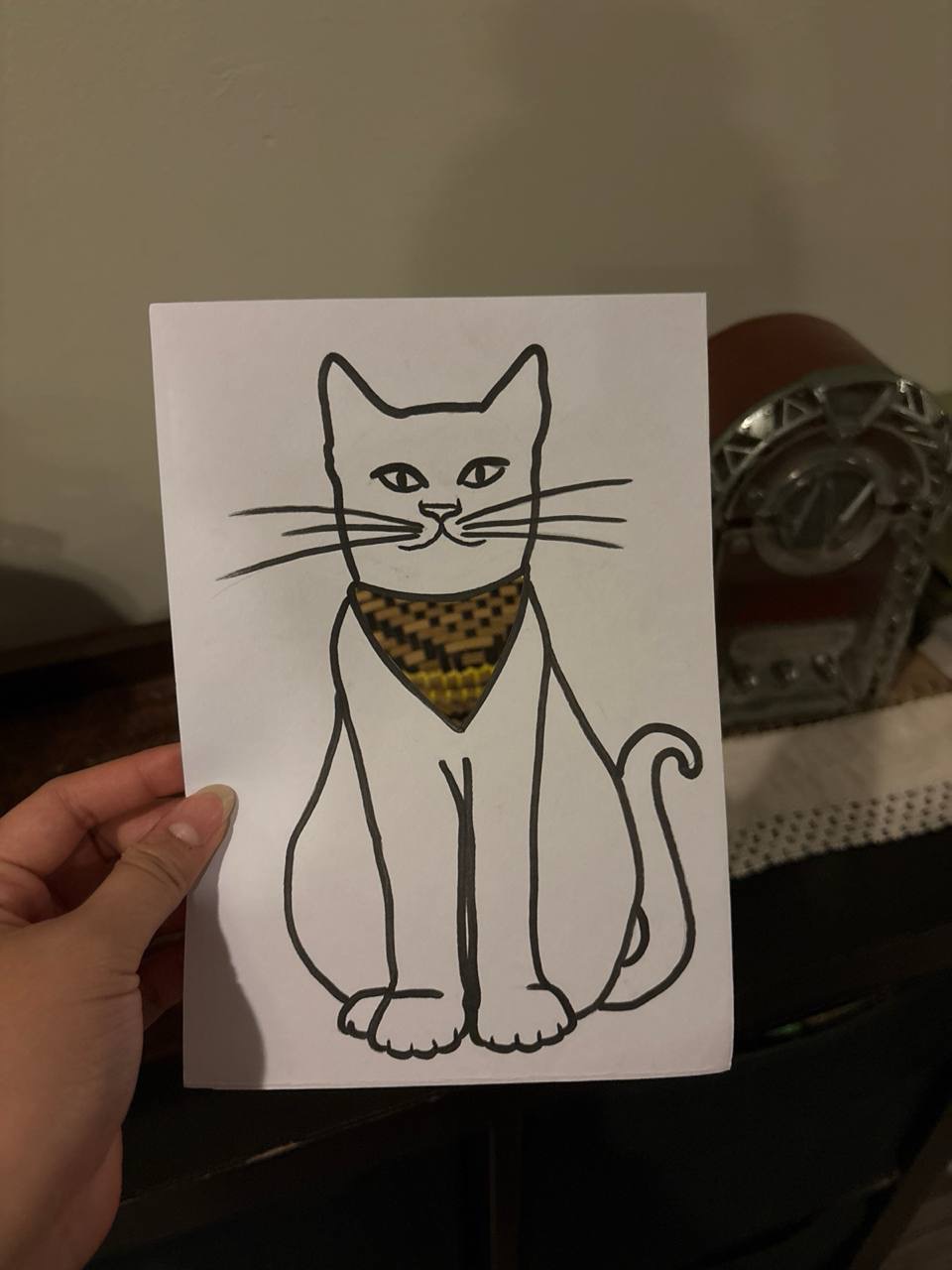
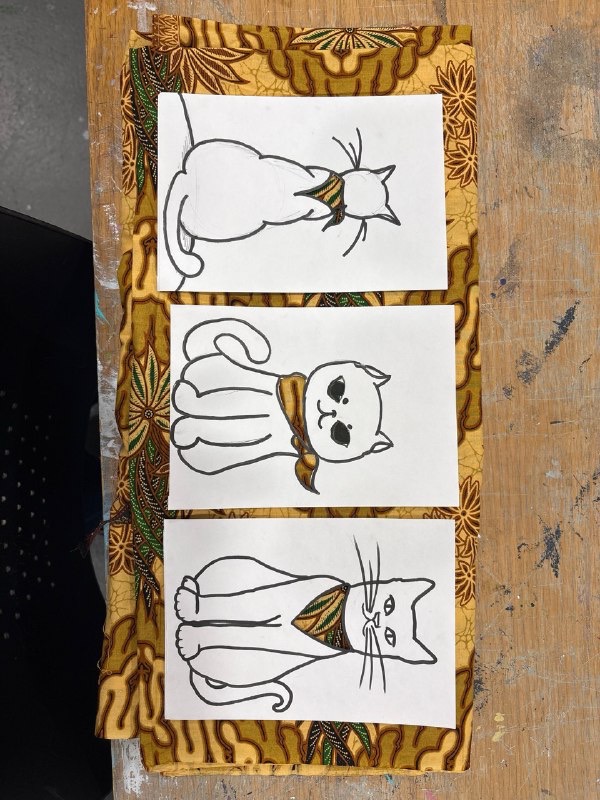
I had proposed and designed a Front-of-House (FOH) activity of a cat depicted wearing a batik as a scarf, where the scarf will be cut out offering a space to dress the cat in various patterns. The children can color the cat to their desired choice and this will come in handy during their creation of their own batik. This solved the logistical problem of keeping the children engaged during the show and created a more meaningful use of their batik painting.
Project Coordination
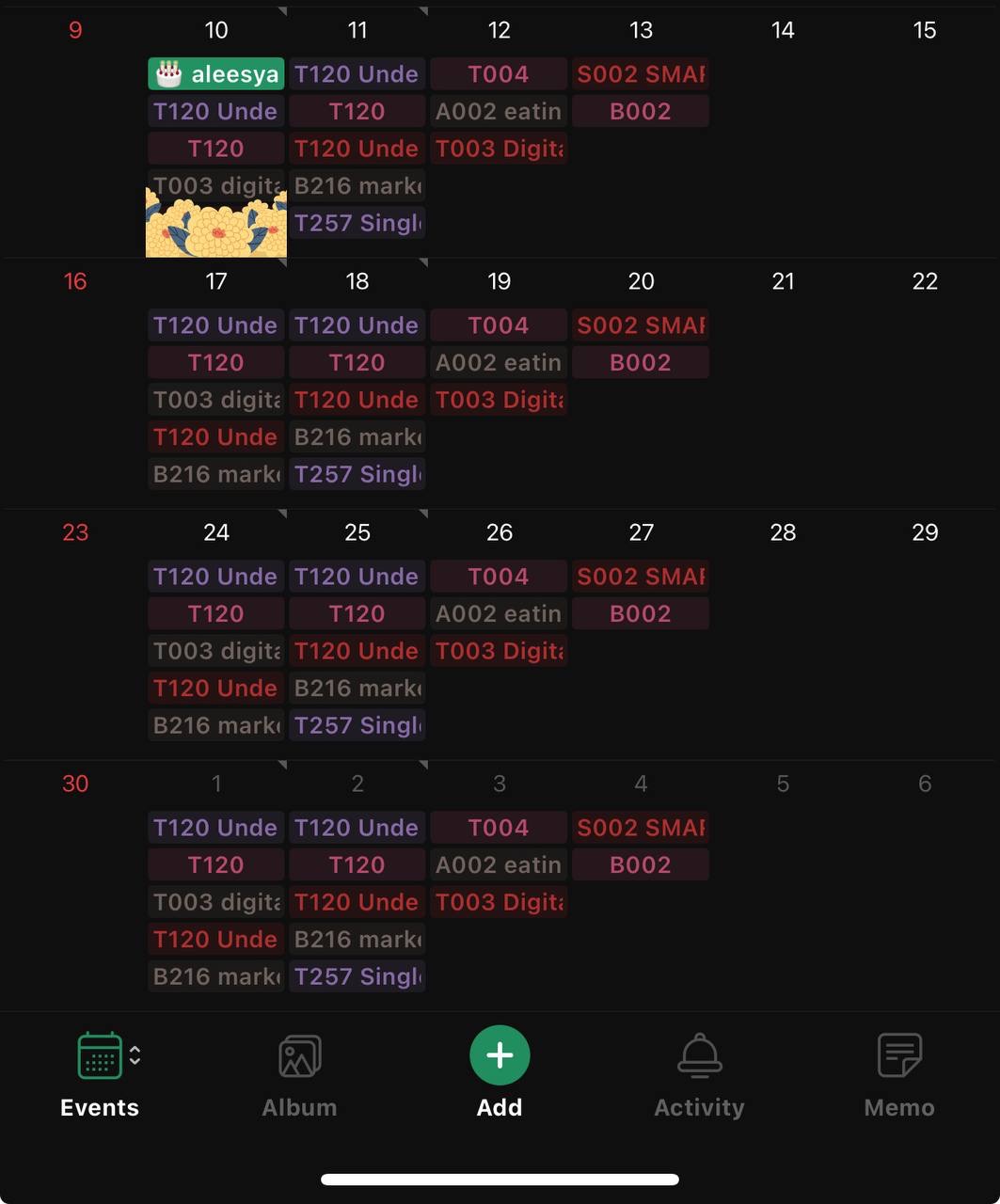
I had learned that a high-level collaboration need a synchronized schedule. We had implemented a shared calendar throughout the whole semester. This had helped us better manage our different schedules and had created a seamless coordination of days we are able to complete tasks for the week. This has taught me how to balance the rigid schedules of clients and supervisors.
Engineering Portability
The significant challenge I had faced was designing a large-scle pondok that was both a stable shelter and suitcase-sized. I learned to implement creative problem solving when my initial prototype failed. Ultimately, I was able to create a modular PVC framework. Overall, this experience taught me that a great design offers both practicality and aesthetics.
Visual Communication
I had discovered that my verbal ideas can be misconstrued, this can lead to wasted resources or time. For example, when our FOH activity concept was initially misunderstood by our client, I learned to use physical prototypes to articulate my ideas better and now I push for a “show and tell” approach for a project success.